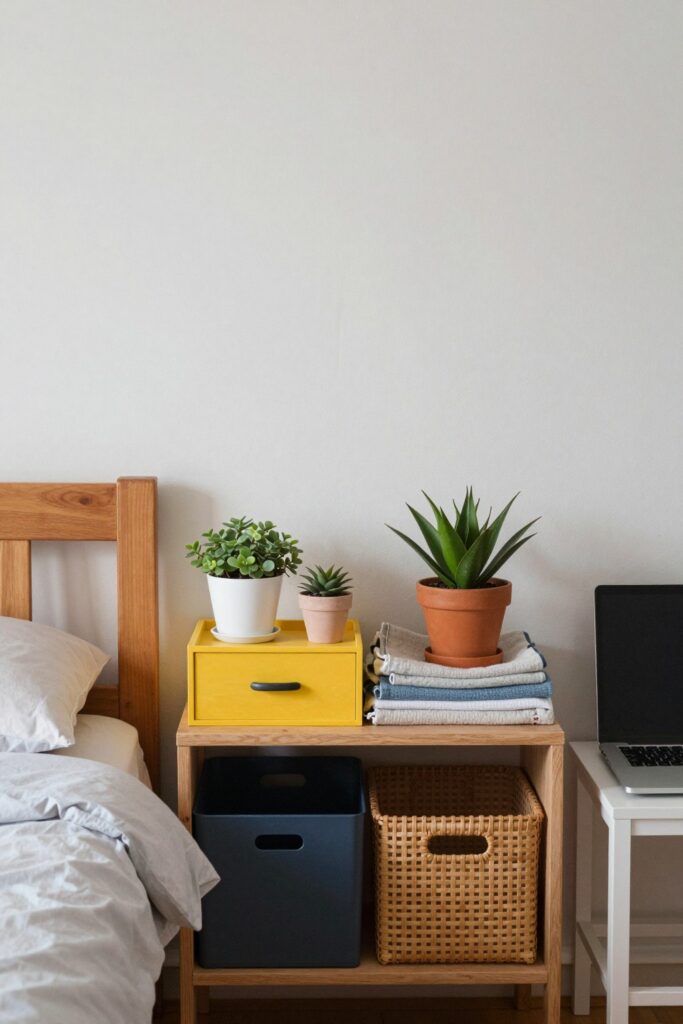
Most small bedrooms get crowded because decor purchases happen before anyone maps how the room actually works. A coordinated result comes from small bedroom decor ideas that balance layout, comfort, lighting, and storage—in that order. This guide turns that sequence into steps: plan activities and measure first, choose one visual direction, use walls for storage and display, layer light by role, give one surface a focal purpose, and add personal pieces last.
Small Bedroom Decor: Plan the Room You Actually Have
Start by listing what the bedroom must support beyond sleeping: reading, working, dressing, or exercising. Allocate space for those activities before buying anything decorative.
Measure the room carefully, noting windows, doors, and built-in features. This prevents furniture and decor from competing for the same few usable spots.
Prioritize the sleeping area first. Choose mattress and bedding that suit your sleep preferences, then treat the rest of the room as support space.
Aim for one cohesive palette and style that promotes relaxation. That single decision keeps later purchases from pulling the room in different directions.
Pick One Visual Spine Before You Buy Anything
A cohesive small bedroom usually traces back to one direction that everything else supports. Without that spine, random lights, posters, and decor items leave the room feeling unfinished.
Choose a style family that fits your taste and the home’s existing theme—commonly minimal, boho, vintage, or modern. Then pick a palette to go with it.
Use that spine as a filter: before buying, ask whether the item fits the chosen style and palette. If it does not, it is likely to become clutter.
This step is not about copying saved inspiration images wholesale. It is about deciding what your room is, so each later choice has a reason.
Use Walls and Vertical Space for Storage and Display
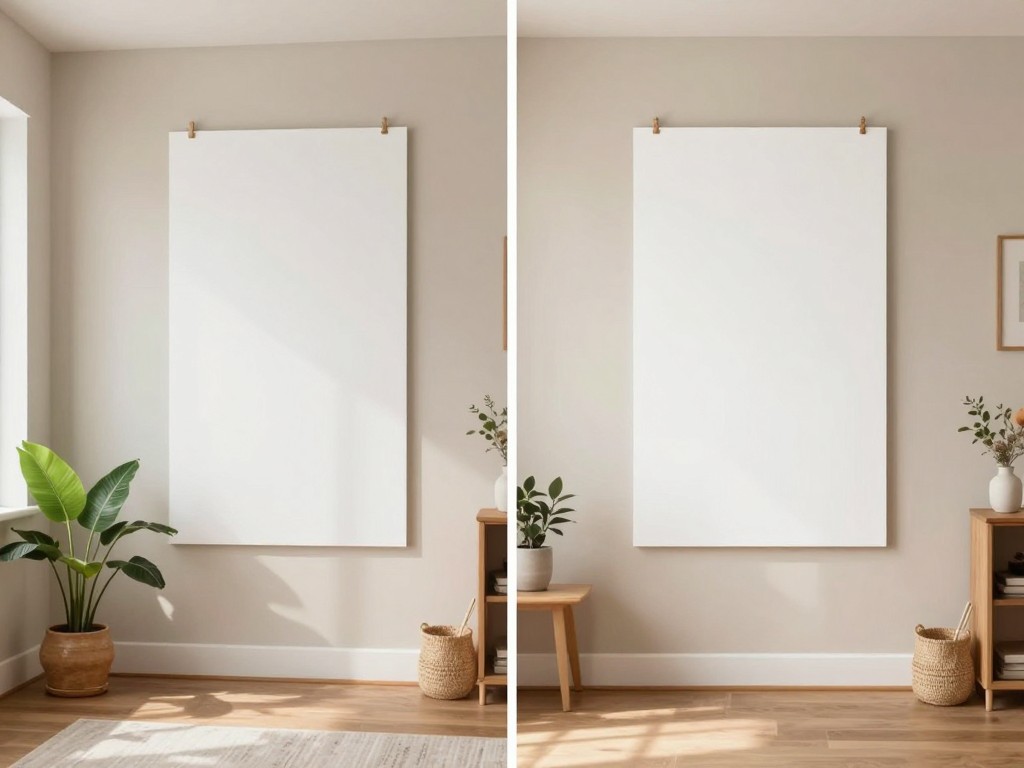
Wall-based solutions add function without consuming floor area. In small bedrooms where surface area is limited, slim floating shelves can display decorative items while keeping the floor clear.
Plan modular or wall shelf storage as part of the room’s overall storage strategy. Maximizing storage is a general decorating move that helps a compact room stay orderly.
For flexible display, bulletin board strips or a large bulletin board let you rotate artwork and keepsakes. A thrifted board can be reframed or re-covered to match the room.
Keep display intentional: group items that belong to the same visual spine, and leave space between groups so the walls do not feel crowded.
Layer Light in Three Roles
Treat lighting as a layered system rather than a single fixture purchase. Ambient light provides general brightness, task light supports specific activities like reading or dressing, and accent light adds mood.
In a small room, layering lets the same space shift between tasks, mood, and general brightness without one harsh source doing all the work.
Use light deliberately. Space-saving lighting is a category in compact bedroom design, not an afterthought.
Match each layer to the room’s activities and the visual spine, so the fixtures feel connected rather than collected.
Choose a Focal Surface and a Cohesive Material Story
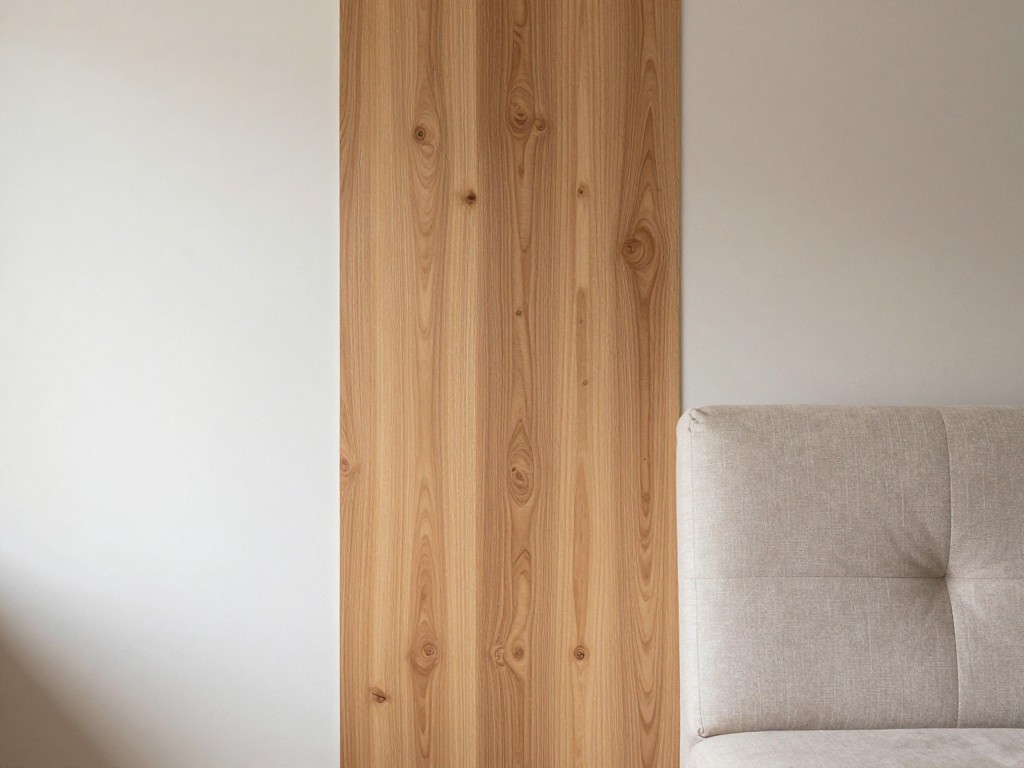
Give a compact room one focal point so the eye has somewhere to rest. Options include a feature wall, a gallery wall, or a back wall in a wood finish versus an upholstered finish.
These choices differ in visual effect and upkeep. A wood-finish back wall and an upholstered back wall each change the room’s material story, so pick the one that supports your overall direction.
Mirrors can enhance perceived depth and reflect light. Consider mirror panels or a statement mirror as an approach, weighing visual impact against maintenance.
Frame these as trade-offs rather than measured outcomes. The goal is a coherent surface and material story, not a collection of competing finishes.
Add Personal Layers Last
Once layout, storage, light, and focal surfaces are set, add the personal layer. Choose low-maintenance houseplants such as snake plants or philodendrons for greenery and a sense of calm.
Layer rugs for warmth and texture, and use metallic accents sparingly for interest. A gallery wall mixing posters, quotes, and personal photos can tie the personal layer together.
This final layer matters most in kids’ and personal rooms. When a space feels decorated for the person using it, that ownership makes the room easier to keep tidy.
The finished room should reflect the inhabitant’s personality while promoting comfort and calm.