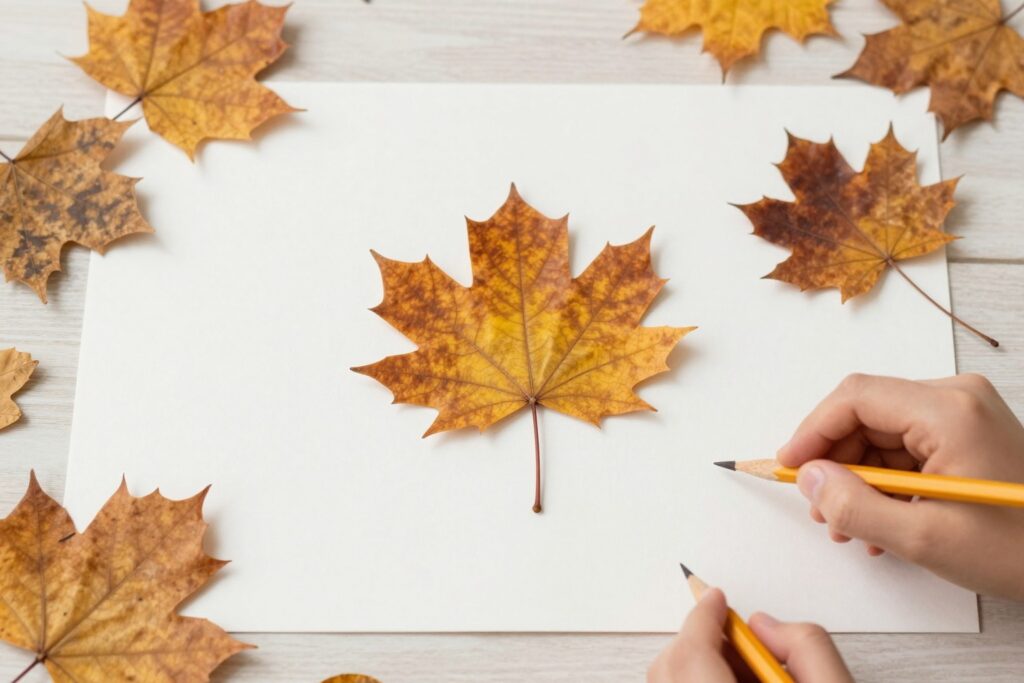
Planning first day of fall crafts for kids works best when the project starts outdoors. A short collecting walk turns leaves and other natural finds into the backbone of the craft session, and for very young children, the walk itself may be the main activity. This guide focuses on leaf and nature-based projects, from prepping leaves so they last to choosing a project that matches your child’s age and attention span.
First Day of Fall Crafts for Kids: Why a Collecting Walk Comes First
A collecting walk gives the craft session its raw materials and gives kids a reason to notice the season. Leaves are abundant, free, and come in enough shapes and colors to fuel several projects. For toddlers, the walk can be the whole activity: they practice picking up small objects, compare colors, and fill a bag or basket. Preschoolers and older kids can be given a simple mission, such as finding three different leaf shapes or five different colors. Keep the walk short and close to home. The goal is not a long hike but a small stash of leaves and perhaps a few other natural finds like pinecones or seed pods. Bring a paper bag or a shallow container so leaves do not get crushed. If the weather turns wet, skip the walk and use a store-bought bag of leaves or postpone the craft.
How to Pick and Prep Leaves So They Last
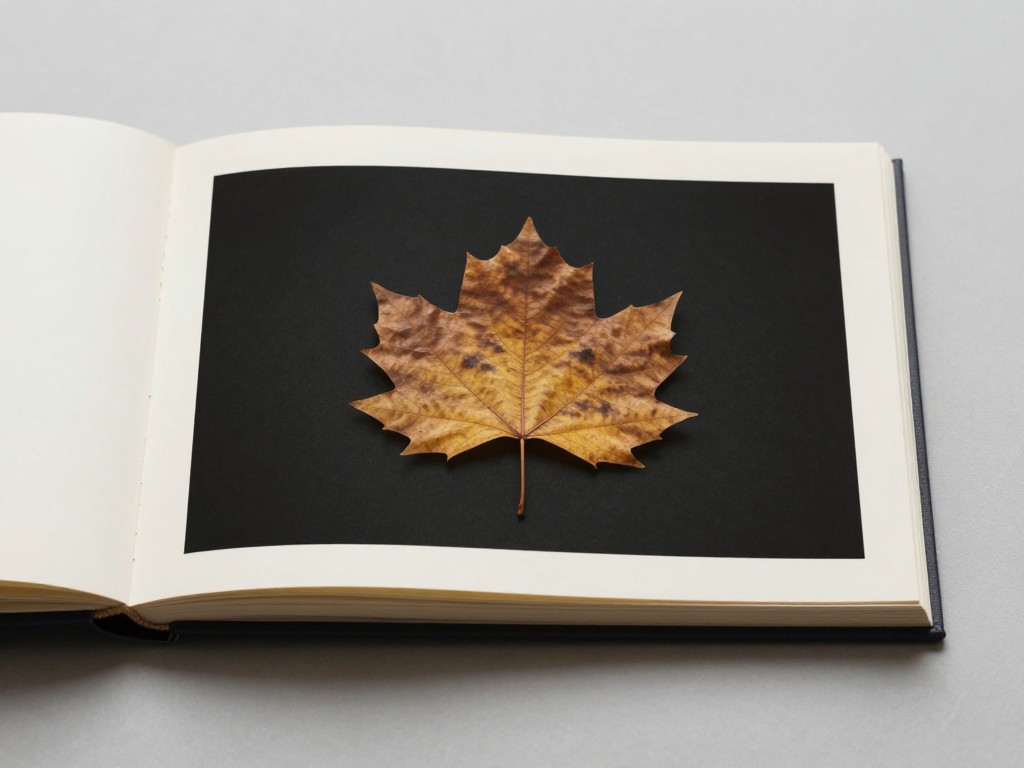
Collect on a dry day so there is no moisture on the leaves. Look for newer leaves that are not yet dry and crinkly; sometimes you can gently pull them straight from the tree. Gather a variety of colors and shapes. You can use the leaves right away, but if you want the projects to last longer, flatten them first. Place leaves between the pages of a heavy book or in a flower press for overnight to a few days. Avoid leaving collected leaves sitting out too long, or they will dry out and crisp up. If you cannot get to the project right away, store the leaves in a plastic bag in the fridge or keep them inside the book where they are being pressed.
Easy Wins for Toddlers and Preschoolers
For the youngest makers, choose projects with few steps and no sharp tools. A leaf collage is one of the easiest: press collected leaves in a book overnight, then let the child glue them onto cardstock. You can also try contact paper activities. A contact paper autumn tree or leaf suncatcher lets a one- to four-year-old stick leaves onto a sticky surface with minimal help. These are toddler-tested ideas from the sourcing and work well because they allow children to participate at their own level. Keep the session short. Have glue sticks, cardstock, and a tray of leaves ready before you invite the child to the table.
Skill-Building Options for Slightly Older Kids
Older kids can handle projects that build fine motor skills. Occupational therapists often use fall crafts to work on pincer grasp, hand strength, and hand-eye coordination. Leaf rubbing, cutting leaf shapes, or arranging small seeds and leaves into patterns all give hands a workout. A cupcake-case owl is another good option for kindergarten and nursery age children; it uses ordinary cupcake cases, glue, and small embellishments like googly eyes. These projects still need adult setup and supervision, but they offer more steps and more room for individual design. Choose one that matches the child’s current abilities and let them do as much as possible themselves.
Keepsake and Display Projects
Some fall crafts are worth keeping or hanging. A fingerprint fall tree is often described as a keepsake; it uses paint and a simple tree outline, and the child adds fingerprints as leaves. More involved leaf builds include mobiles, wreaths, and lanterns. These suit kids who have adult support, because they may require wire, string, or a glue gun. For a mobile, tie pressed leaves to a stick or hoop with thread. For a wreath, glue overlapping leaves onto a cardboard ring. For a lantern, attach leaves to a glass jar with decoupage glue and add a battery-operated tea light. Display the finished piece where the child can see it, and date the back if you plan to store it.
Picking One Project and Setting Up
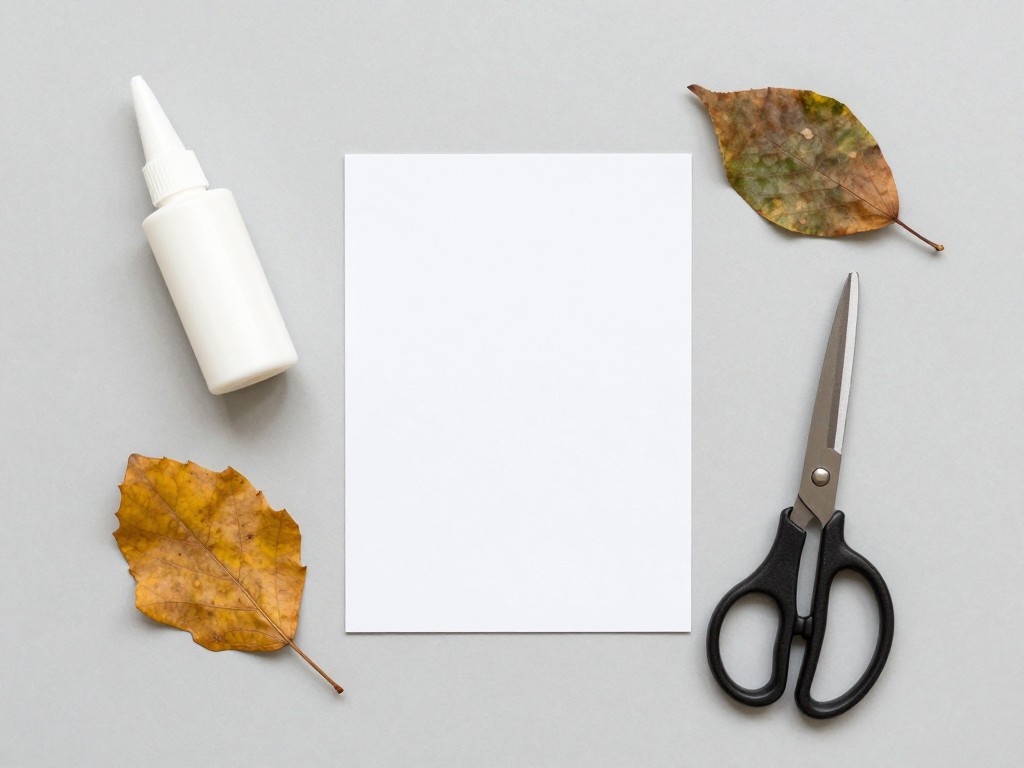
Match the project to the child’s age and the amount of adult help available. Toddlers do best with a single-step collage or contact paper activity. Preschoolers can handle a short collage or a suncatcher with help. Older kids can try skill-building projects like cupcake-case owls or leaf rubbing. If you have multiple children, pick one project that can be simplified or extended for different ages. Gather all materials first: leaves, glue, cardstock, scissors, and any embellishments. Set up on a washable surface. Keep the session short for young children, and stop while everyone is still enjoying it. The sourcing emphasizes easy, low-setup fall crafts, so do not feel pressured to do every idea in one day.